For most adults, choosing between a bidet and toilet paper is a comfort preference. For seniors, it's a more consequential decision - one that affects physical health, bathroom independence, daily pain levels, and long-term care costs.
The physical demands of toilet paper use increase in difficulty with age. Gripping and tearing requires hand strength. Reaching behind the body requires hip and shoulder flexibility. Wiping thoroughly requires either physical contortion or repeated effort. These aren't minor inconveniences when joints are arthritic, flexibility has declined, or balance is less reliable than it used to be.
This guide walks through the real comparison: hygiene quality, physical accessibility, health implications, and actual cost over time.
Hygiene Quality: Bidet vs Toilet Paper
The hygiene case for bidets is straightforward. Washing with water removes bacteria and residue that paper wiping leaves behind. Multiple studies, including a 2011 review in the Journal of Wound, Ostomy and Continence Nursing, found that bidet use reduces bacterial contamination compared to toilet paper wiping.
For seniors, the health implications of incomplete hygiene are more significant than for younger adults:
- UTI risk: Incomplete hygiene is a leading cause of urinary tract infections in elderly women. UTIs in seniors can escalate to kidney infections or sepsis much faster than in younger patients. More thorough cleaning directly reduces this risk.
- Skin integrity: Repeated paper wiping on sensitive or aging skin causes micro-abrasions and irritation that can worsen over time. Water washing is gentler on compromised skin.
- Hemorrhoid management: Bidets are widely recommended for hemorrhoid sufferers. Warm water reduces irritation and inflammation that paper friction aggravates.
- Post-surgery hygiene: After colorectal procedures or hip/joint surgeries, bidets provide safer and more thorough cleaning when standard wiping is painful or restricted.
Physical Accessibility: The Motions Required
This is where the comparison becomes most relevant for seniors with arthritis, reduced flexibility, or balance concerns.
| Motion Required | Toilet Paper | Electric Bidet (with remote) |
|---|---|---|
| Hand grip strength | Required (tear, hold, wipe) | Light button press only |
| Hip/shoulder reach | Required (reach behind body) | None |
| Torso rotation | Required (twist to wipe) | None |
| Balance while shifting | Required | Seated throughout |
| Repeated motion | Multiple wipe cycles | Single button press |
An electric bidet with a wireless remote and warm air dryer reduces bathroom hygiene to three physical acts: sit, press a button, stand. For seniors with arthritis, reduced hip mobility, or balance concerns, this reduction is significant - both for daily comfort and for fall risk reduction during the most vulnerable physical moments.
Independence and Dignity
Bathroom independence is one of the most important quality-of-life factors for aging adults. Many seniors who begin requiring assistance with personal hygiene point to the bathroom as the first place where they needed help - and the place where loss of independence is most acutely felt.
A bidet extends independent bathroom capability for people whose physical limitations would otherwise require caregiver assistance. For adult children managing an aging parent's care, a bidet seat is one of the most practical and dignity-preserving home modifications available at any price point.
The Cost Comparison
The average American household spends $150-200 per year on toilet paper. For a senior living alone, that's closer to $80-120 annually. A good electric bidet seat costs $279.99-$410 as a one-time purchase.
- Budget electric bidet (Brondell Swash SE400, $279.99): Pays for itself in 2 years on toilet paper savings alone. After that, net savings of $80-100/year.
- Premium electric bidet (TOTO Washlet C5, $410): Pays for itself in 4-5 years on savings. After that, same ongoing benefit.
- Reduced infection-related medical costs: Even a single UTI avoided represents $300-500 in medical costs - more than the cost of the bidet itself.
Framed differently: the TOTO Washlet C5 costs $410 once. Over a 10-year period, that's $44.90 per year - compared to $100-200 per year in toilet paper. The bidet is less expensive over any period longer than 5 years, before factoring in health benefits.
Best Bidet Picks for Seniors
Best Overall: TOTO Washlet C5
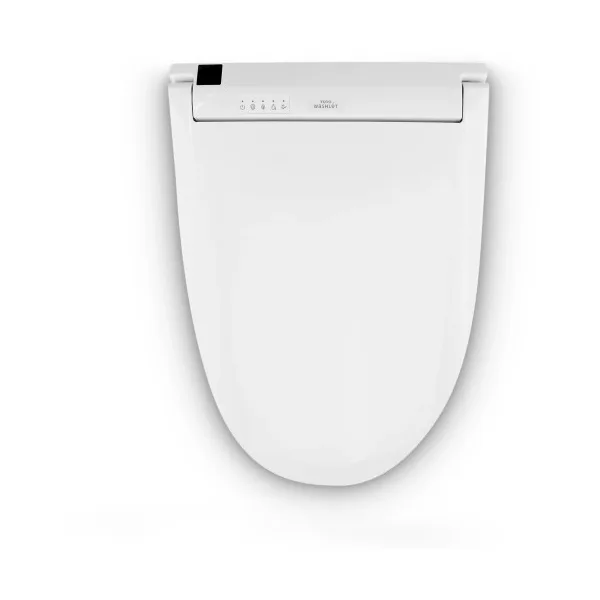
TOTO Washlet C5
Auto open/close lid, warm water wash, heated seat, warm air dryer, self-cleaning nozzle, wireless remote. Maximum accessibility - designed to minimize every physical bathroom interaction.
$410
Check Price on AmazonThe TOTO Washlet C5 is the most complete senior-friendly bidet available under $500. The auto-open lid eliminates the need to bend and touch the seat. The air dryer handles most drying without tissue. The wireless remote has clearly labeled, easy-to-press buttons that work for arthritic or stiff fingers. TOTO's EWATER+ system cleans the nozzle automatically, requiring no manual maintenance. Over a 10-year ownership period, it's less expensive than toilet paper and delivers meaningfully better hygiene.
Best Budget: Brondell Swash SE400
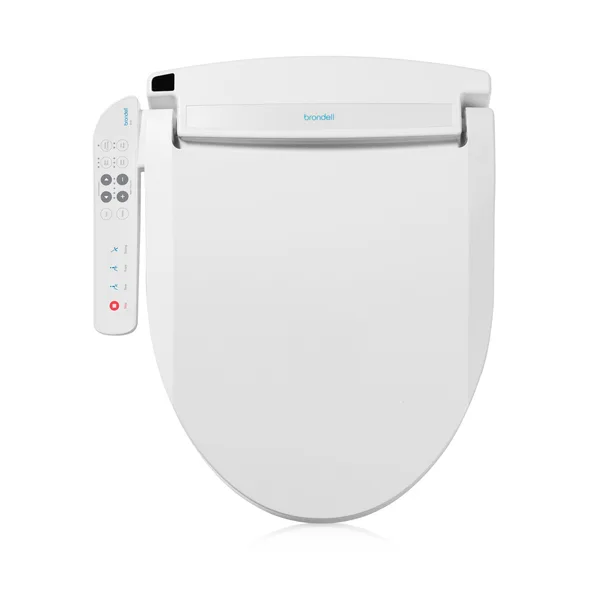
Brondell Swash SE400
Electric seat with wireless remote, heated seat, warm water wash. The most accessible bidet under $200. No auto lid or air dryer, but covers the core motions-elimination features at the lowest price.
$279.99
Check Price on AmazonIf the TOTO's price is a barrier, the Brondell Swash SE400 eliminates the most physically demanding motions at $279.99. The wireless remote removes twisting and reaching. Warm water and a heated seat make the experience far more comfortable than cold-water non-electric attachments. You'll still need minimal tissue for drying, but the full wiping cycle is dramatically reduced. For seniors on fixed incomes, this is the right starting point.
Most Accessible: TUSHY Classic 3.0
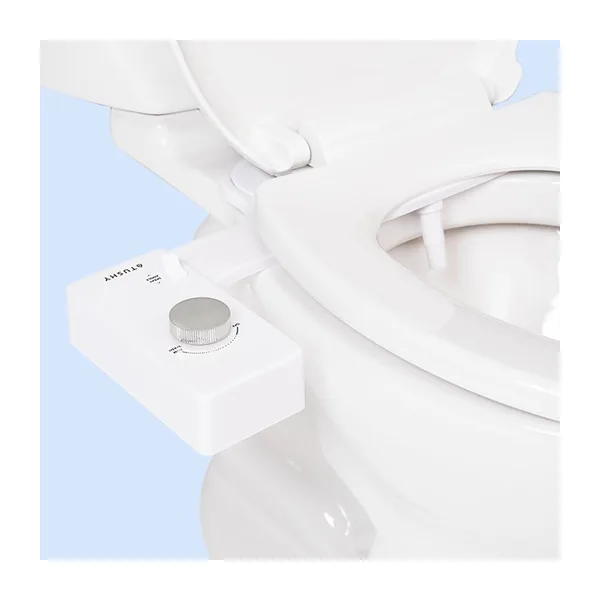
TUSHY Classic 3.0
Non-electric bidet attachment at $129. Side dial control - the simplest possible introduction to bidet use. Best for seniors with mild limitations who want to start with a low-commitment option.
$129
Check Price on AmazonThe TUSHY Classic 3.0 is the lowest-barrier way to start. At $129, it fits under any toilet seat, attaches to the existing water supply in 15 minutes, and eliminates a significant portion of the tissue wiping required. The cold water wash is the main limitation - fine in warm climates, uncomfortable in cold ones. For seniors with mild flexibility or grip issues rather than severe limitations, this is a practical starting point with minimal financial commitment.
What Adult Children Should Know
If you're researching this on behalf of an elderly parent, here's the practical summary:
- Install it before a fall, surgery, or mobility event - not after. Post-surgery installation is difficult and post-surgery is when the need is most acute.
- The TOTO Washlet C5 is the right choice for parents with significant arthritis, hip issues, or who are post-surgical. The auto lid and air dryer reduce every physical interaction with the toilet.
- Installation takes 20-30 minutes and requires basic tools. Most adult children can handle it in a single visit.
- Frame it as a hygiene upgrade, not a disability accommodation. Many seniors resist aids that feel like admissions of decline. A bidet is widely used across Europe and Asia as a standard hygiene tool - which is true, and makes for a more natural conversation.
Frequently Asked Questions
Is a bidet better than toilet paper for seniors?
For most seniors, yes. Better hygiene, less physical strain, bathroom independence preserved longer, and lower long-term cost. The one-time investment in an electric bidet with wireless remote pays for itself in 2-5 years on toilet paper savings before accounting for any health benefits.
What is the best bidet for an elderly person?
TOTO Washlet C5 at $410. Auto lid, wireless remote, warm air dryer, heated seat, self-cleaning nozzle. The most complete accessibility bidet available without commercial pricing.
Can a bidet help prevent UTIs in elderly women?
Research supports bidet use reducing bacterial contamination versus toilet paper. For elderly women with recurrent UTIs, more thorough cleansing is one of the recommended hygiene changes. Look for a bidet with a dedicated feminine wash setting and adjustable water pressure, and discuss with a healthcare provider.